Define the reach problem first
- How far must the platform reach horizontally before rising?
- Is the target directly ahead, or offset around corners and structures?
- Can the machine position on a stable apron without encroaching active traffic lanes?
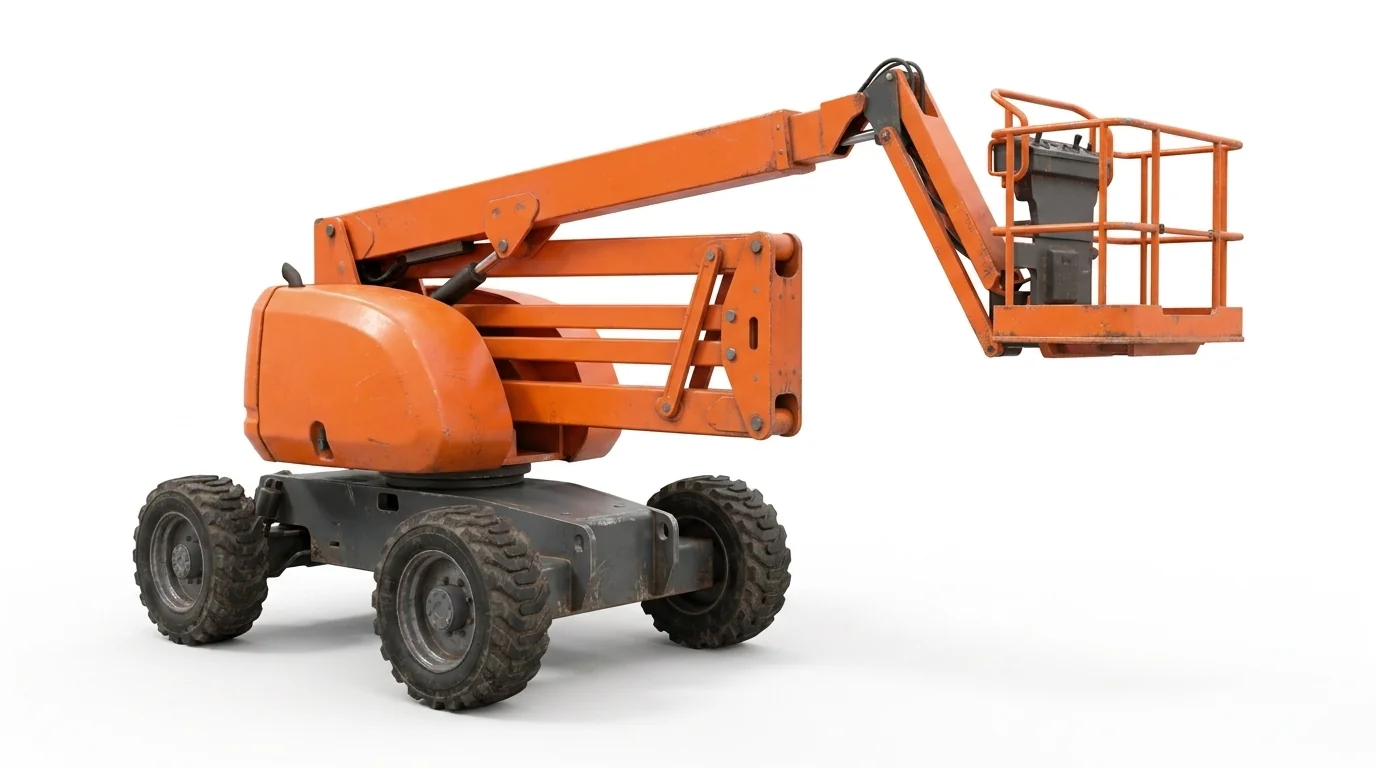
Telescopic booms excel when the line of sight to the task is open. Fewer joints translate into faster extension and precise in-and-out placement, especially for façade work and high exterior utility points.
Site and climate factors in Odessa
High UV and heat can affect work windows and the need to keep equipment staged where airflow helps cooling. Winds common to the region reduce allowable outdoor height per the machine’s stated limits. Actual conditions, the selected unit’s instructions, and site procedures govern exterior and elevated work.
On rough approaches, choose rough-terrain configurations and verify turning room. Caliche and rutted yards can bounce a long boom; planning shorter outreach with closer footing often improves control.
Measurements that narrow the model list
- Required horizontal outreach and platform height at that outreach
- Maximum chassis width and turn radius allowed by gates and staging pads
- Ground slope and surface type along the travel and setup areas
- Any overhead conflicts along the drive path that limit stowed length
If the task hides behind piping or canopies, compare /articulating-boom-lift-rental/. If the work is straight up on slab, a tall unit in /electric-scissor-lift-rental/ may be more efficient.
Odessa work patterns
Local distribution buildings and industrial sites often need straight booms for exterior envelope work, sign installs, stack access, and lighting poles set back from pavement. Where dust and wind peak, smaller platforms with adequate outreach can be easier to stage and reposition than the tallest option.
See also: /boom-lift-rental/ for an overview of aerial categories.