Start with the geometry
- Can the machine sit below the task and swing the jib over structure, lines, or parapets?
- How far back is the work from the face of the obstacle?
- Will the platform need to reposition frequently along uneven or congested routes?
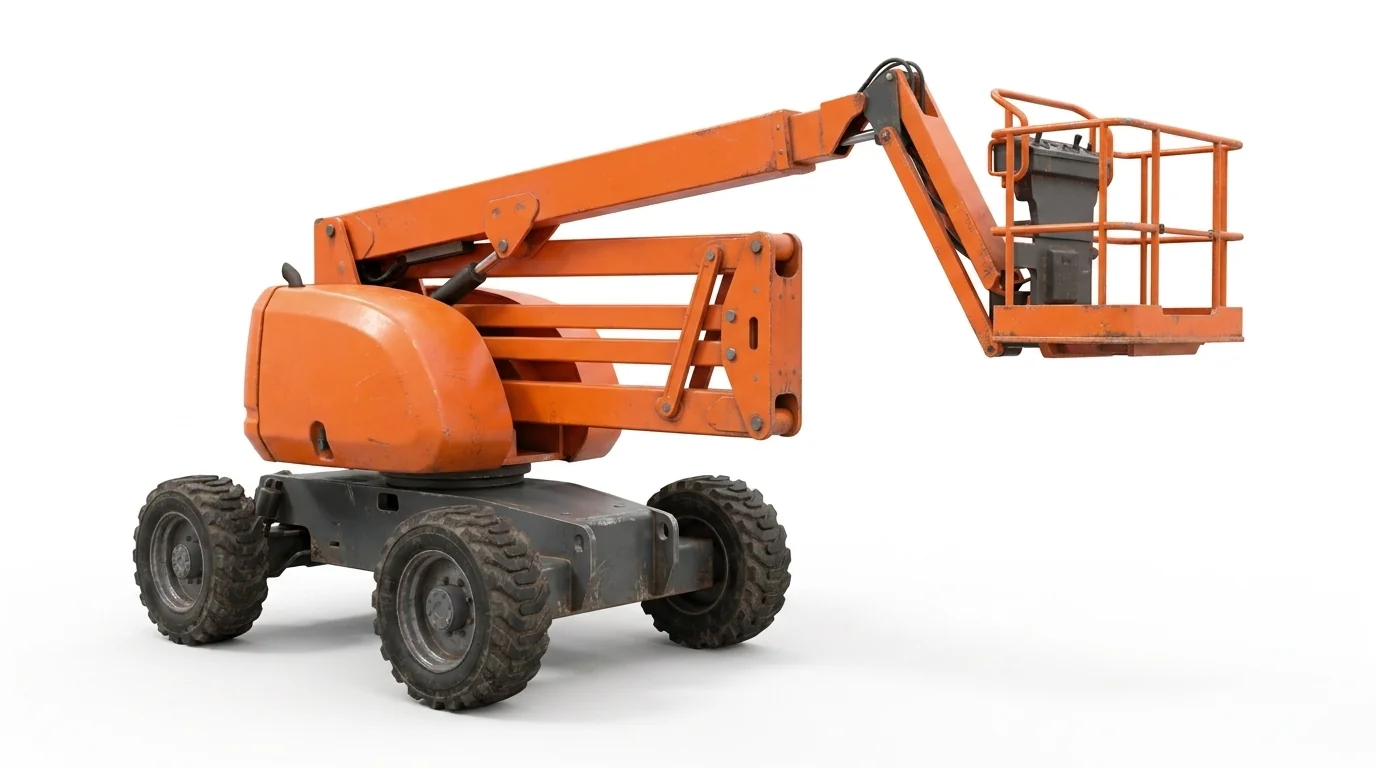
Articulating booms use multiple joints to clear obstructions without moving the chassis each time. When the task is tucked over ductwork, pipe bridges, mezzanines, or canopies, an articulating layout beats a straight boom of similar height.
Odessa conditions that change the pick
Outdoor work around industrial sites in Odessa sees frequent wind bursts and fine dust. Those factors impact which platform size and weight rating apply. Manufacturer wind ratings and site procedures govern outdoor lifts. If crosswinds or dust reduce visibility around the basket, a smaller machine with better up-and-over envelope—rather than maximum height—can tighten control in narrow yards.
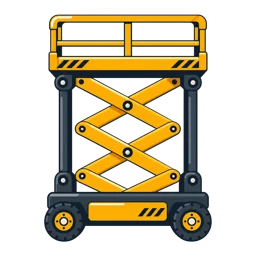
Ground makeup varies from slab to compacted caliche. That affects whether you compare against /electric-scissor-lift-rental/ for smooth indoor access or step up to /rough-terrain-scissor-lift-rental/ when the surface is uneven but the task is vertical. For obstacle-heavy maintenance, articulating booms fill the gap between those categories.
Measurements that narrow the choice
- Horizontal set-back from obstacle face to work point
- Lowest clearance under overheads along the travel path
- Required platform height and side reach at that height
- Surface type from staging area to work zone (slab, packed soil, mixed)
- Entry width for gates and interior doors
In tall warehouse aisles and service yards, a compact articulating unit can thread through tighter openings than larger straight booms. On abrasive surfaces, rough-terrain configurations handle ruts better, but overall width and weight must still clear your route.
When to compare other lifts
- Mostly vertical, slab-on-grade tasks: see /electric-scissor-lift-rental/
- Open exterior reach with long setback: see /telescopic-boom-lift-rental/
- Material placement to elevated decks: see /telehandler-rental/
Actual site conditions, the selected unit’s instructions, and job procedures set limits for exterior and elevated work in the regional climate.