Articulating vs. telescopic
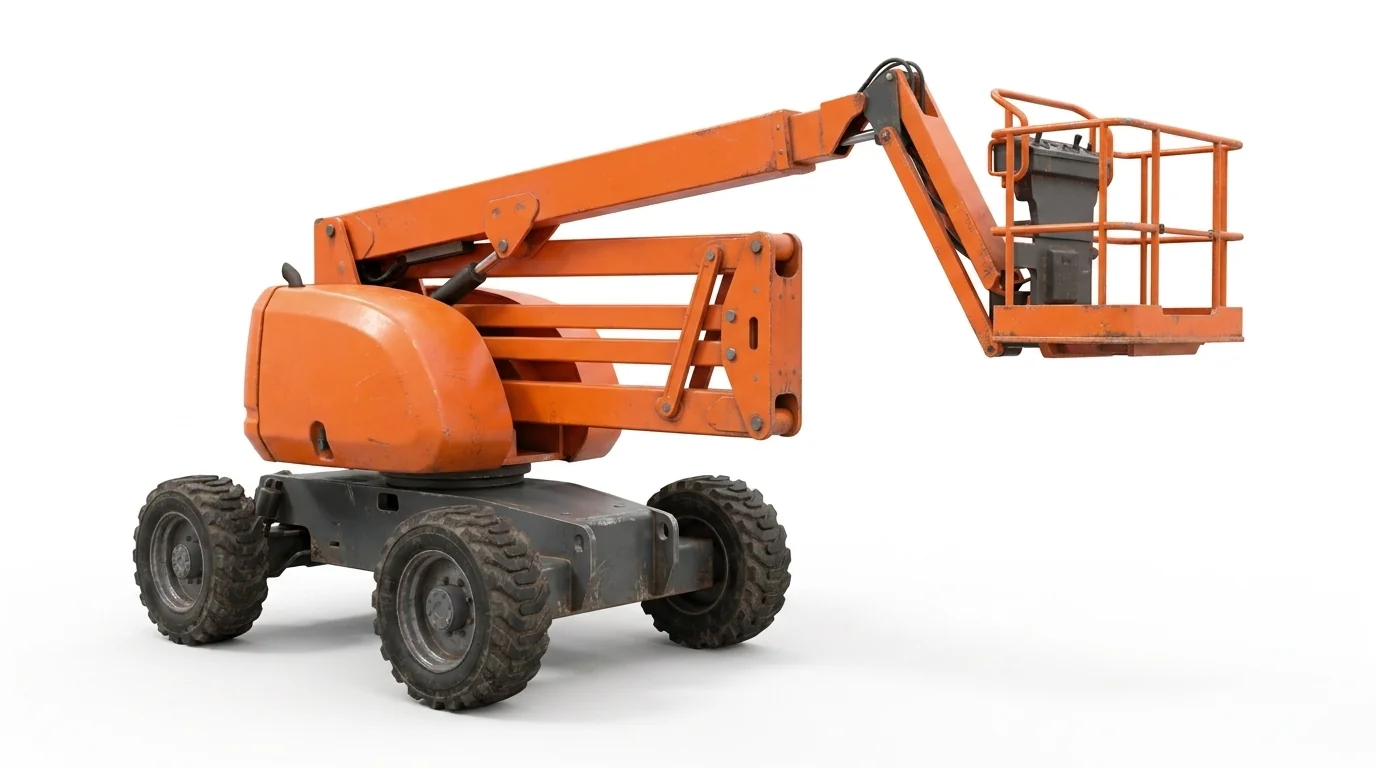
- Articulating booms: multiple joints to reach up and over obstacles or into tight service courts. Useful in congested industrial areas and around building features.
- Telescopic (straight) booms: longer horizontal reach and faster positioning across open yards and setbacks. Favor sites with clear swing radius and travel room.
Odessa conditions that shape choices
Unfinished caliche, ruts, and transitions demand ground clearance and appropriate tires. Wind exposure can limit platform height on both types; some models carry specific outdoor ratings that restrict operation when gusts rise. Heat and dust affect duty cycles and visibility, influencing where staging and refueling or charging occur.
Key measurements before selecting
- Required horizontal outreach and platform height relative to the obstacle you must clear.
- Machine width, tail swing, and turn radius compared with gates, trailers, and laydown space.
- Platform capacity for tools, fixtures, and materials.
When another lift fits better
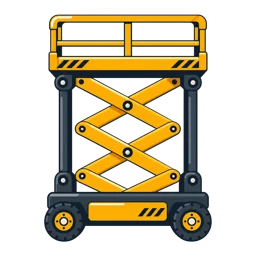
- Strictly vertical work on slab: see /electric-scissor-lift-rental/
- Vertical work outdoors where a wider deck is preferred: see /rough-terrain-scissor-lift-rental/
- Need a broader overview of options: visit /aerial-lift-rental/
Actual site conditions, the chosen model’s instructions, and project procedures set limits for slope, wind, and elevation on Odessa jobs.
Keep the comparison specific
A useful equipment discussion starts with the work height, the practical machine position, the route into the area, the floor or ground along that route, and the people, tools, or material involved. Those details clarify whether vertical access, outreach, or material placement is the real constraint.